The intersection of public service leadership and family privacy creates boundary questions that become more complex as political careers extend across multiple terms. Sadiq Khan wife Saadiya Khan news remains notably sparse, reflecting a deliberate strategy to separate political visibility from family exposure—a choice that carries both benefits and costs in contemporary political cycles where personal narrative often drives connection.
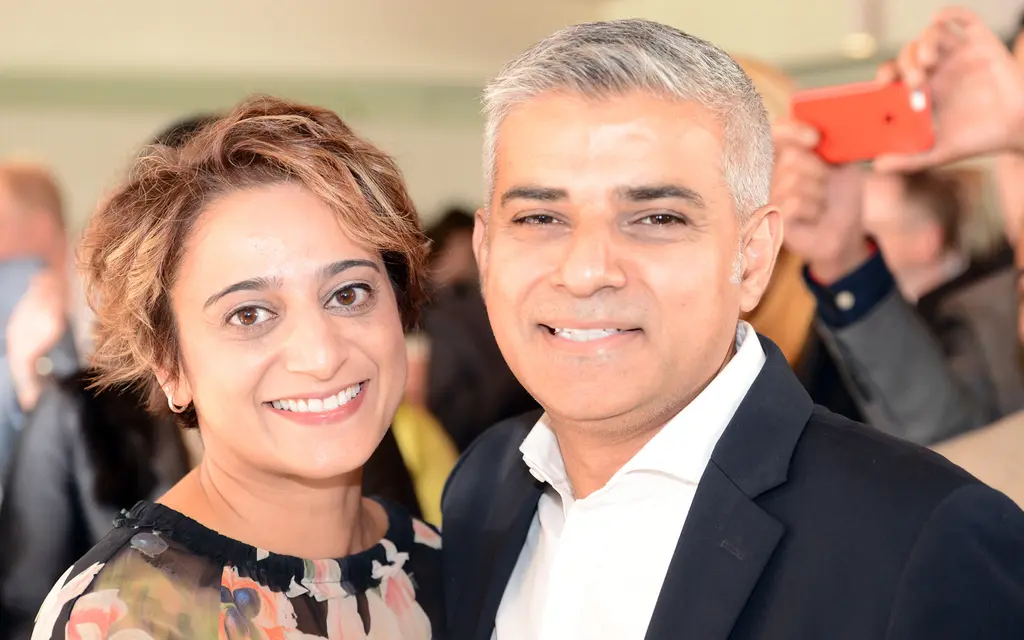
Khan married Saadiya Ahmed, a fellow solicitor, in 1994, and they have two daughters raised in the Islamic faith. Despite Khan’s high-profile role as London’s first Muslim mayor and now the first to serve three terms, Saadiya has maintained an exceptionally low public profile.
The Strategy Behind Separation Of Political And Personal Visibility
Saadiya’s rare public appearances—such as attending The Fashion Awards alongside Khan—stand out precisely because they’re uncommon. This scarcity isn’t accidental; it’s boundary enforcement in an era where political spouses are often positioned as campaign assets or public figures in their own right.
From a practical standpoint, this separation serves multiple functions. It protects family privacy, reduces attack surface for political opponents, and allows Khan’s political identity to stand independently rather than as part of a couple’s brand.
Look, the bottom line is that family exposure decisions in political life involve tradeoffs. Increased visibility can humanize and broaden appeal, but it also invites scrutiny, criticism, and intrusion that many families reasonably decline. The Khan family appears to have chosen maximum privacy over potential political benefit.
What I’ve learned from watching political communication strategies is that families who maintain boundaries from the start find it easier to enforce them long-term than those who shift between exposure and privacy. Consistency matters more than the specific choice.
The Context Of Religious Identity And Public Perception Dynamics
Khan has described himself as a “moderate, socially liberal Muslim” who observes Ramadan and regularly attends mosque. His religious identity is publicly acknowledged and integrated into his political persona, including his criticism of anger-driven representations of Islam.
The decision to raise their daughters in the Islamic faith while maintaining their privacy reflects navigation of complex identity dynamics in political life. Public acknowledgment of faith without making family members public figures allows Khan to own his religious identity while protecting his children from becoming symbols or targets.
From a reputational risk standpoint, this is sophisticated boundary work. Religious identity in political leadership attracts both support and opposition, and extending that to family members amplifies potential harm without guaranteed benefit.
The reality here is that Khan’s mayoral tenure has involved periodic controversy and criticism, including high-profile feuds with political figures. Keeping family separate from those conflicts isn’t just protective—it’s strategic compartmentalization that limits contagion effects.
The Pressure Of Multi-Term Leadership And Attention Sustainability
Khan’s recent reelection to a third term as London mayor represents historic achievement but also raises questions about long-term sustainability and future trajectory. Speculation about whether he might seek a House of Commons seat or Labour Party leadership role indicates ambitions beyond the mayoralty.
This extended political timeline means the Khan family has now lived under public scrutiny for years across multiple election cycles. The sustained privacy maintenance despite this duration is notable—most political families see erosion of boundaries over time as visibility normalizes or campaign needs shift.
What’s practical here is that multi-term political figures face different family exposure calculus than single-term or shorter-tenure leaders. The longer the public role, the greater the cumulative intrusion risk, which can justify stricter rather than looser boundaries.
I’ve seen this pattern in business leadership too: CEOs who maintain family privacy through multiple decades at the helm often do so by establishing clear rules early and never deviating, regardless of short-term tactical opportunities to use family for positive press.
The Professional Identity Factor And Independent Career Positioning
Saadiya’s professional background as a solicitor provides independent identity outside her role as mayoral spouse. This matters both practically—she has career considerations separate from political strategy—and symbolically, positioning her as a professional peer rather than accessory to Khan’s political trajectory.
The data tells us that political spouses with established professional identities before their partner’s public prominence often maintain stronger boundaries than those whose primary identity becomes the political role. Saadiya fits this pattern.
From a practical standpoint, continued legal practice (if she remains active, which hasn’t been recently reported) would create additional privacy imperatives, as client confidentiality and professional reputation exist independently of political context.
What’s interesting is that Khan himself came from legal practice before politics—they met as fellow solicitors. This shared professional background likely influences family privacy decisions, as both understand professional boundary requirements.
The Reality Of Modern Political Communications And Family Exposure Norms
The current political environment heavily emphasizes personal narrative, family content, and behind-the-scenes access as tools for building voter connection and social media engagement. The Khan family’s resistance to this trend represents conscious rejection of prevailing political communication doctrine.
Here’s what actually works in modern campaigns: family content drives engagement metrics and humanizes candidates. But here’s what also works: clear boundaries that protect personal life and prevent opposition research from gaining family-level material.
The Khan approach prioritizes the latter, accepting whatever political costs come from reduced family visibility in exchange for maintained privacy and protection. That’s a values-driven strategic decision that contradicts much contemporary political consulting advice.
The challenge is that this approach requires consistency across years and multiple campaigns, with family members remaining committed to privacy despite potential individual desires for public presence or despite tactical campaign moments where family visibility might help. The Khans have maintained this through multiple mayoral campaigns and daily mayoral duties, suggesting aligned family consensus on the strategy.
The practical reality is that once political figures establish family privacy as baseline expectation, deviation from that becomes newsworthy itself, which creates its own risk. The Khan family’s rare public appearances become events precisely because they’re unusual, which paradoxically can create more rather than less attention when they do occur.