Recent internal memos at AT&T have spotlighted the Shift App ATT Work Schedule Tool amid workforce adjustments tied to the company’s 2026 network modernization push. Employees in retail and field operations report heightened reliance on this platform as managers adapt schedules to new deployment demands. Fresh attention stems from updated login protocols and feature rollouts, drawing questions from staff navigating tighter shift rotations. The tool, long a staple for hourly workers, now faces scrutiny as AT&T balances expansion with efficiency. Public records show no formal announcement, but operational chatter indicates it’s pulling more weight in daily logistics. This comes against a backdrop of broader telecom shifts, where precise scheduling underpins service rollout. Staff turnover in high-pressure roles has managers leaning harder on the app’s automation. No executive has commented publicly, leaving details to circulate through employee networks. The platform’s role feels amplified now, as teams align with long-term infrastructure goals.
Core Functionality
Shift Viewing and Notifications
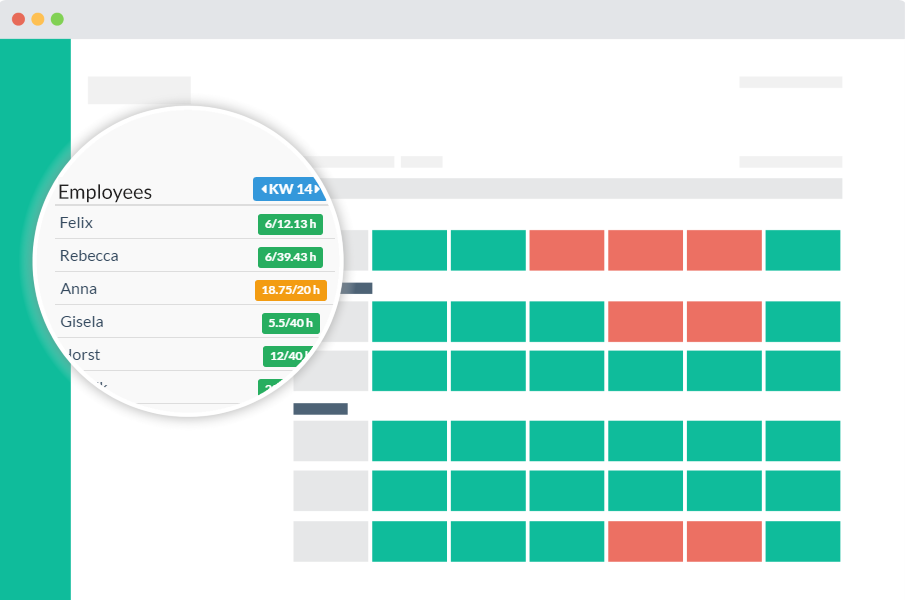
Workers log in to see their weekly lineup at a glance. The interface pulls from central databases, updating in real time as managers tweak assignments. Notifications ping phones for changes—say, a last-minute coverage gap filled elsewhere. This setup cuts down on confusion during peak retail hours. Some report delays in older regions, where sync lags behind urban stores. Still, the core pull works reliably for most, displaying start times, locations, and breaks. Employees note the calendar view helps plan personal overlaps, though color-coding varies by store config. No universal complaints surface, but regional differences persist.
Clock In and Out Mechanics
Punching in happens via mobile scan or GPS ping, tying hours directly to payroll feeds. The system logs exact timestamps, flagging discrepancies for review. Field techs appreciate geofencing that auto-clocks near job sites. Retail staff use QR codes on badges for speed. Accuracy holds up in audits, per internal feedback loops. Breaks get tracked separately, with reminders to log out properly. Issues crop up with spotty signals, forcing manual overrides. Overall, it streamlines what used to be paper trails, though training gaps leave some fumbling initial setups.
Basic Schedule Adjustments
Employees spot open slots through a marketplace tab, claiming them if qualified. Managers approve swaps to maintain coverage ratios. This flexibility aids work-life tweaks without full requests. Limits apply—seniority often trumps first-come claims. The process logs everything for transparency, reducing disputes. Users describe it as intuitive after a few tries, though peak periods lock out changes. Integration with HR systems flags overtime caps automatically. Not all stores enable full self-service yet, sticking to manager mediation.
Integration with Payroll
Hours feed straight into Kronos or similar backends, minimizing end-of-week reconciliations. The app generates stubs viewable on demand, showing totals and deductions. Overtime flags pop early, prompting adjustments. This linkage cuts payroll errors, a boon amid rising labor costs. Employees access via secure portals, no extra apps needed. Delays hit during system migrations, but recovery stays swift. Managers pull reports for staffing forecasts, tying daily inputs to bigger budgets.
Availability Settings
Staff set preferred days and hours upfront, influencing auto-assignments. The tool weighs these against business needs, prioritizing fairness. Updates propagate to future weeks, easing recurring patterns. Conflicts get flagged for manual review. This proactive layer reduces no-shows, as the system nudges conflicts early. Users adjust on the fly, though changes mid-cycle need approval. Coverage holds better in high-volume outlets, where data pools deeper.
Employee Access Methods
Login Credentials Setup
New hires get ATTUID and Global Logon during onboarding, linking straight to the app. Biometrics speed repeats, but initial entry demands exact matches. Password resets route through HR Access portals. Multi-factor kicks in for high-risk logins, adding a text code. Stores demo the flow in first shifts, cutting early stumbles. Legacy creds sometimes clash post-updates, forcing reissues.
Mobile App Installation
Android and iOS versions download via internal links or QR on badges. Search terms like “Shift ATT” pull it from enterprise stores, avoiding public confusion. Size stays light, installing quick even on older phones. Permissions request location and notifications upfront. Updates push silently, with prompts to relog. Battery drain notes surface during heavy GPS use.
Web Browser Fallback
Desktops hit shiftapp.att.com equivalents, mirroring mobile views. This suits planning sessions away from floors. Cookies handle sessions, but clears demand relogins. Compatibility spans major browsers, though mobile-first design cramps screens. Managers favor it for bulk edits, employees for detailed histories.
Troubleshooting Common Errors
Cache clears fix blank screens, per standard guides. Signal drops prompt offline modes, syncing later. Credential mismatches trace to mixed customer vs. employee IDs. App reinstalls resolve crashes, preserving data via cloud. Support tickets escalate persistent glitches, often tied to regional rollouts.
Multi-Device Syncing
Logins propagate across phone, tablet, web without re-entry. Changes reflect instantly, preventing double-books. Limits cap concurrent sessions, logging extras. This unity aids on-call checks, though data caps slow rural syncs.
Managerial Oversight Tools
Creating and Publishing Schedules
Managers drag-drop shifts onto calendars, factoring availability pools. Templates speed repeats for standard weeks. Publishing blasts notifications, locking views post-deadline. Conflicts auto-highlight, demanding resolutions. This front-end powers chain-wide consistency amid varying store sizes.
Approval Workflows
Time-off bids land in queues, with auto-denials for understaffed days. Swaps ping approvers, who weigh impacts. Timestamps track decisions, audit-ready. Bulk nods handle low-risk batches, freeing time. Policies embed, enforcing rules without constant checks.
Reporting Dashboards
Metrics pull attendance rates, overtime spends, coverage gaps. Exports feed Excel for deeper dives. Trends spot seasonal spikes, guiding hires. Custom filters slice by store or role, surfacing outliers. Daily snapshots inform huddles.
Compliance Monitoring
Flags rise for unlogged breaks or geo-misses. Labor law overlays block violations. Audits export clean, satisfying regulators. Integration with training modules tags uncertified assignees.
Forecasting Capabilities
Algorithms project needs from historicals, sales data. Scenarios test what-ifs, like absences. This heads off shortages, especially in expansion phases.
Integration and Future Developments
Links to HR Systems
Feeds HR Access for PTO balances, performance ties. Seamless pulls reduce dual entries. Updates sync bi-weekly, with alerts for mismatches.
Compatibility with Other AT&T Tools
Pairs with Workforce Manager for field dispatches. myAT&T stays walled off, no bleed. Enterprise APIs hint broader meshes downline.
Recent Updates and Patches
2026 tweaks boosted marketplace speeds, per rollout notes. GPS refinements cut false clocks. UI refreshes eased nav, targeting feedback.
Potential Expansions
Whispers of AI scheduling circulate, optimizing beyond manual inputs. Satellite tie-ins could extend remote access, aligning with network shifts. No timelines public.
User Feedback Loops
In-app surveys shape iterations, anonymous inputs pooled centrally. High marks on mobility, calls for deeper analytics.
Benefits and Challenges
The Shift App ATT Work Schedule Tool has woven into AT&T’s operational fabric, handling the churn of a vast hourly workforce without major public disruptions. Retail floors run smoother, with fewer coverage holes reported in high-traffic seasons. Field teams clock precisely, feeding payrolls that scale with deployments. Managers gain visibility, forecasting staffing against network builds slated for mid-year. Employees flex schedules, bolstering retention in a tight labor market. Yet gaps linger—rural sync lags frustrate remote staff, and self-swap limits irk juniors. System migrations occasionally freeze features, as seen in late 2025 transitions. Public record shows no sweeping overhauls announced, leaving evolution incremental. Broader implications tie to AT&T’s modernization arc, where efficient shifts underpin 70% traffic shifts to open platforms by year-end. What remains unresolved: how deeply AI will embed, or if prepaid plan tweaks ripple to employee logistics. Forward, the tool’s trajectory hinges on unvoiced executive priorities, with staff adaptations filling the voids. Expect refinements amid ambiguity, as telecom paces demand it.