Recent internal memos at AT&T have spotlighted the PeopleTools ATT Portal Access Guide as a core resource for staff navigating updated HR systems. Fresh attention stems from system-wide upgrades rolled out early this year, prompting renewed focus on secure entry points amid tighter compliance standards. Employees report smoother operations once inside, but the initial login hurdles—often tied to credential syncs—continue to surface in daily workflows.
This portal, built on Oracle’s PeopleSoft framework, centralizes payroll, benefits, and scheduling for thousands across the telecom giant. Public records show no major outages lately, yet anecdotal accounts from forums highlight persistent access friction. Management has emphasized training refreshers, signaling that mastery of the PeopleTools ATT Portal Access Guide remains essential for operational continuity. As AT&T pushes digital transformation, questions linger on whether these tools fully bridge legacy gaps or just layer new complexities atop old ones. The guide itself emerges not as a novelty, but as a steady reference amid evolving tech stacks.
Core Components of the Portal
Application Designer Functionality
Developers at AT&T rely on the Application Designer within PeopleTools ATT Portal Access Guide to customize interfaces for specific teams. This tool lets users build pages from scratch, dragging fields like employee IDs or shift logs into place without deep coding. Recent tweaks allow for mobile-responsive layouts, addressing complaints from field techs accessing via phones during shifts.
Permissions tie directly to role-based setups, where supervisors approve changes before deployment. Without proper security clearance, attempts to alter fields trigger silent blocks—no error, just a blank save. Staffers note that testing in sandbox modes prevents live disruptions, a practice now standard post-upgrade. The designer’s strength lies in its preview feature, simulating user views before rollout. Yet, for non-devs, the learning curve persists, with some resorting to templates that limit true innovation.
PeopleCode Scripting Basics
PeopleCode, the proprietary language in PeopleTools ATT Portal Access Guide, handles validations like ensuring time entries match schedules. Scripts run on login, checking against active directories synced from AT&T’s HR database. A simple if-then checks password age, prompting resets if overdue.
Integration with external APIs pulls in real-time data, such as weather impacts on outdoor crews. Errors here often stem from syntax slips—missing semicolons halt entire processes. Admins debug via logs accessible post-authentication, tracing faults to specific lines. While powerful for automation, overuse bloats load times, frustrating users during peak hours. Training modules stress modular coding to keep scripts lean.
Integration Broker Operations
The Integration Broker in PeopleTools ATT Portal Access Guide links PeopleSoft to payroll vendors, firing messages via REST or SOAP. It translates formats on the fly, converting XML from benefits providers into readable stubs. Failures typically arise from mismatched endpoints, logged for review in the broker console.
AT&T configures it for batch jobs overnight, syncing thousands of records without daytime lag. Monitoring dashboards flag stalled queues, alerting on-call teams. Security wraps each call in encryption, complying with federal telecom regs. Still, third-party downtime cascades, delaying approvals. Users rarely see this layer, but glitches manifest as “pending” statuses in their views.
Process Scheduler Management
Process Scheduler queues reports and payroll runs through PeopleTools ATT Portal Access Guide, defining recurrence like weekly stubs. Admins set priorities, bumping urgent jobs ahead. Outputs land in defined folders, emailed or downloadable post-run.
Recurring failures point to resource caps, resolved by scaling servers during fiscal closes. Logs detail each step, from initiation to completion timestamps. Employees submit ad-hoc requests via self-service, but volumes spike end-month. Optimization involves grouping similar processes, cutting overhead.
Query Manager Essentials
Query Manager extracts data slices, like headcount by region, directly in PeopleTools ATT Portal Access Guide. Users pick tables, join on keys like employee ID, and filter by date ranges. Exports to Excel aid off-portal analysis.
Complex joins risk timeouts on large datasets; pros add indexes first. Sharing queries requires permission grants, preventing unauthorized peeks. AT&T encourages its use for audits, generating pivots on turnover trends. Limitations hit at 65k rows, forcing paginated pulls.
Step-by-Step Access Procedures
Initial Account Registration
New hires start registration in PeopleTools ATT Portal Access Guide via HR emails linking to hraccess.att.com. They enter ATTUID—typically net ID format—and initial pass like “PASS” plus SSN digits. Activation demands phone verification, tying to corporate SMS gateways.
Duplicates trigger admin flags, routing to managers for merge. Post-setup, multi-factor kicks in, often via authenticator apps. Delays occur if directories lag, leaving temps in limbo. Once live, profiles auto-populate from master records.
Secure Login Sequences
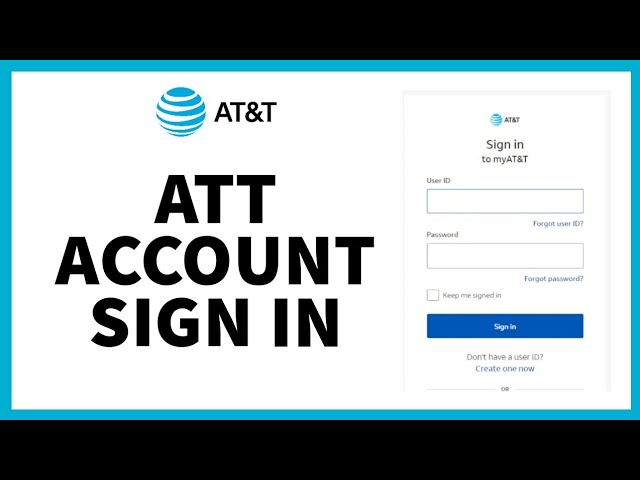
Login demands ATTUID and global password at the PeopleTools ATT Portal Access Guide entry, case-sensitive fields masking inputs. Dropdowns offer AT&T pass, RSA token, or mobile key options. Hourglass signals validation against LDAP servers.
Invalid pairs yield terse errors—no hints, pushing calls to helpdesks. Successful navigates to dashboards, session timed at 15 idle minutes. Browser choice matters; Chrome edges out for compatibility.
Dashboard Navigation Paths
Dashboards greet with tiles for payroll, time, benefits under PeopleTools ATT Portal Access Guide. Clicks expand to sub-menus, like attendance calendars color-coded by status. Personalization pins favorites atop.
Search bars filter across modules, surfacing forms fast. Mobile views collapse sidebars, prioritizing schedules. Updates propagate real-time, reflecting manager edits instantly.
Multi-Factor Authentication Setup
MFA setup in PeopleTools ATT Portal Access Guide registers devices during first login, scanning QR for apps like Duo. Backups via SMS fallback for travel. Admins enforce policies, rotating prompts bi-yearly.
Lost devices prompt IT tickets, with temp codes issued verbally. Biometrics test on supported browsers, fingerprint over PIN. Compliance audits verify enrollment rates quarterly.
Profile Update Protocols
Updates to addresses or banks route through self-service in PeopleTools ATT Portal Access Guide, supervisor approvals gating changes. Effective dates align with payroll cycles to avoid stubs mismatches. Attachments like W4 scans upload directly.
Rejections cite policy, like unverified dependents. History tracks all mods, auditable trails standard.
Troubleshooting Common Barriers
Forgotten Credential Recovery
Password forgets direct to self-reset links in PeopleTools ATT Portal Access Guide, emailing codes to work addresses. Limits cap attempts at five, locking after. HR overrides for persistent cases.
Former staff use separate flows, dependent portals diverging. Tokens refresh via apps, no email needed.
Browser Compatibility Checks
Chrome and Edge dominate for PeopleTools ATT Portal Access Guide stability, Firefox trailing on popups. Clears cache resolves render glitches, cookies essential for sessions.
Legacy IE drops unsupported, forcing upgrades. VPNs mandatory off-net, tunneling secures.
Network and VPN Requirements
VPN clients like Cisco AnyConnect precede logins to PeopleTools ATT Portal Access Guide, geofencing US traffic. Drops mid-session log out, reprompting full auth.
Home setups falter on firewalls; port 443 opens smooths. Corporates whitelist domains fleet-wide.
Error Message Interpretations
“Invalid credentials” masks broader fails in PeopleTools ATT Portal Access Guide, from expired passes to role revokes. Logs detail for IT, users see generics.
“Server busy” queues retries, non-urgent. Custom faults like “permission denied” flag role gaps.
Support Ticket Escalations
Tickets launch from portal footers in PeopleTools ATT Portal Access Guide, categorizing by module. SLAs tier: payroll critical at two hours. Attachments speed triage.
Escalations hit managers after stalls, cross-team loops common.
Advanced Usage and Security
Role-Based Permission Layers
Permissions stack in PeopleTools ATT Portal Access Guide, permission lists granting granular views. HR sees all, techs scoped to crews. Revokes instant on terminations.
Audits log accesses, flagging anomalies like off-hour payroll peeks.
Custom Report Generation
BI Publisher crafts reports via Query Manager drags in PeopleTools ATT Portal Access Guide, bursting to emails. Schedules automate, parameters tweak outputs.
Formats span PDF to HTML, bursting personalizes stubs.
Mobile Access Optimizations
Apps mirror web in PeopleTools ATT Portal Access Guide, push alerts for approvals. Pinch-zooms handle grids, offline caches time punches.
Battery drains prompt web fallbacks.
Audit Trail Monitoring
Trails capture every click in PeopleTools ATT Portal Access Guide, timestamps tying to users. Exports for compliance, searches by date or action.
Retention hits seven years, purging auto.
Compliance and Data Policies
Encryption blankets transit in PeopleTools ATT Portal Access Guide, GDPR slots for EU staff. Breaches trigger protocols, notifications mandated.
Training modules quiz annually, scores gating access.
The PeopleTools ATT Portal Access Guide stands as AT&T’s linchpin for HR digitization, weaving employee data into actionable streams without which daily ops grind. Publicly available flows confirm logins via hraccess.att.com, but deeper layers—broker syncs, scheduler queues—remain internal black boxes, their efficiencies inferred from uptime stats. What resolves clearly: core access democratizes payroll and schedules, slashing paper trails. Unresolved: whether scalability holds as headcount swells post-mergers, or if custom scripts introduce unseen fragilities.
Forward, whispers of AI overlays promise predictive shifts, yet no rollout dates surface. Staff adapt amid mandates, but friction points like MFA glitches persist, hinting at human elements no guide fully erases. As telecom evolves, this portal’s role sharpens—essential, yet ever-testing user resolve. Questions on next upgrades hang, with records silent on timelines.