When narratives around high-profile relationships shift from private to public, the cycle reveals more about media appetite than the couple themselves. Mick Jagger wife Melanie Hamrick news has recently centered on rare public appearances and an engagement that, remarkably, had been ongoing for years before formal confirmation. What drives selective visibility in relationships where one partner is globally recognizable and the other prefers discretion is a question of strategy, timing, and the cost of attention itself.
The reality here is that controlled exposure becomes a tool rather than a default. Look, the bottom line is that appearing together at carefully chosen events—like a New York City Ballet gala or a state banquet—sends specific signals without inviting sustained scrutiny.
The Signals Behind Rare Appearances And Strategic Visibility
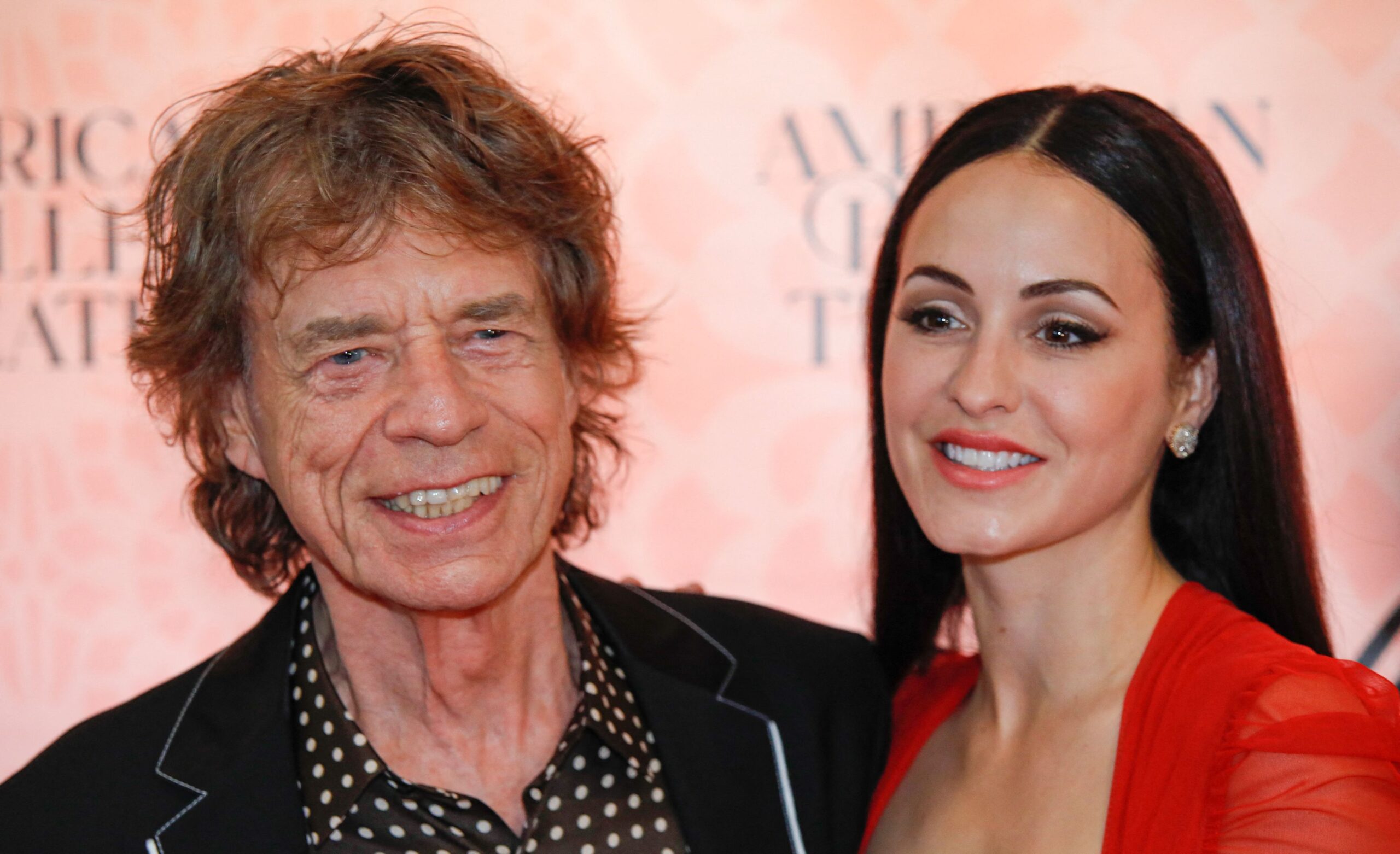
Public sightings of Jagger and Hamrick have been sparse, intentional, and linked to cultural rather than tabloid contexts. Their presence at the New York City Ballet Fall Fashion Gala marked their first red carpet moment in months, following a prior appearance at Windsor Castle.
From a practical standpoint, these aren’t random choices. Ballet connects directly to Hamrick’s professional identity as a former dancer, which grounds the appearance in her world rather than his celebrity orbit.
The timing matters too. The couple’s relationship began over a decade ago backstage at a Rolling Stones concert in Tokyo, yet sustained media attention has been minimal. That’s not luck—it’s deliberate boundary management paired with infrequent but strategic participation in public life.
Engagement Timing Reveals The Reality Of Private Decisions
The announcement that Jagger and Hamrick had been engaged for two to three years before public confirmation challenges conventional celebrity PR cycles. What I’ve learned from watching these patterns is that delayed disclosure often signals prioritization of internal stability over external validation.
Hamrick’s interview comments reinforce this: expressing contentment with their situation and hesitance to change anything suggests the engagement itself mattered more than its announcement. The formal confirmation came only recently, despite the private commitment existing far longer.
This inversion—private first, public much later—contradicts the typical influencer-era approach where milestones are monetized or amplified immediately. Here’s what actually works for couples managing asymmetric fame: gatekeeping major life events until they’ve fully settled internally, then offering limited access on their terms.
The Context Of Age Difference And Public Perception Dynamics
The 44-year age gap between Jagger and Hamrick has been a recurring media focus, yet the couple’s longevity—over a decade together and a son now seven years old—complicates simplistic narratives. The data tells us that relationships with significant age differences face heightened external skepticism, regardless of internal health.
From a reputational risk standpoint, sustained privacy reduces the surface area for speculation. By avoiding interview circuits and maintaining minimal social media presence, they limit the material available for narrative construction.
The relationship’s durability becomes its own counterargument. A decade-plus timeline with a child and an engagement doesn’t fit the stereotype of transactional celebrity pairing, which is exactly why continued discretion serves them well.
Family Structure And The Balance Between Exposure And Protection
Their son, Deveraux, represents the clearest privacy boundary. Unlike many celebrity offspring who become content assets, Deveraux has been kept almost entirely out of public view.
This isn’t accidental—it’s a calculated trade-off. The reality is that children of famous parents face amplified attention by default, and limiting their exposure requires consistent enforcement. Hamrick’s background outside the entertainment industry likely influences this approach; her identity as a professional ballerina exists independently of Jagger’s fame.
What’s practical here is that selective visibility for adults doesn’t extend to their child. The couple appears together at high-profile cultural events when it suits them, but family dynamics remain walled off. That separation is increasingly rare in an era where family content drives engagement, which makes it strategically notable.
The Pressure Of Legacy, Narratives, And Long-Term Relationship Architecture
Jagger’s previous relationships and seven other children create a complex legacy backdrop against which this partnership operates. The pressure isn’t just media-driven—it’s structural, tied to family dynamics, estate considerations, and public memory of past patterns.
From a practical standpoint, Hamrick’s position as Jagger’s long-term partner without being legally married until now (and possibly not at all, based on her comments) is unusual for someone at his wealth and age bracket. Legal and financial architecture for blended families becomes more complicated without formal marriage, yet they’ve maintained their arrangement for years.
I’ve seen this play out in business partnerships too—sometimes formalization introduces risk or complexity that informal but committed arrangements avoid. Hamrick’s statement that they’re “content” and “hesitant to change anything” suggests awareness of this dynamic.
The narrative they’ve built is one of stability through selectivity. They control what becomes public, when, and through which channels. That’s a model increasingly difficult to maintain, but clearly still functional when both parties commit to it and accept the tradeoffs involved.

Previous Article
Jude Bellingham wife newsNext Article
Prince William wife Kate Middleton news