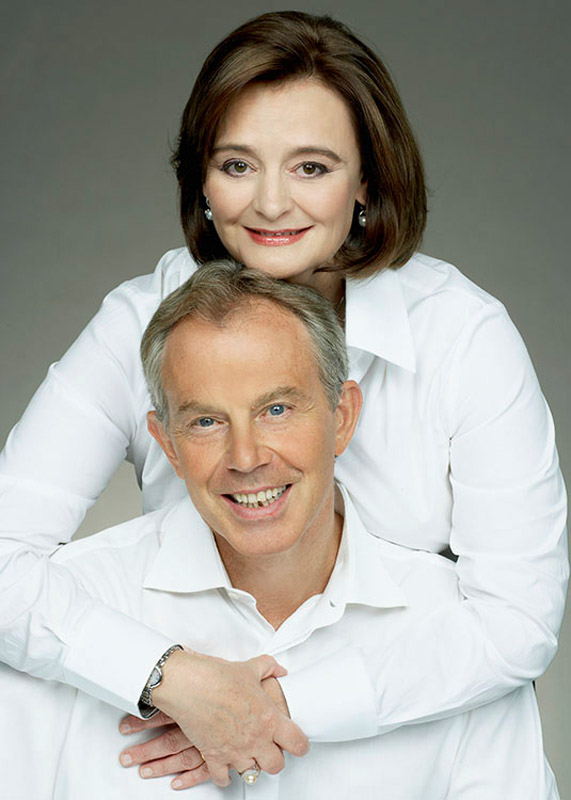
The intersection of political legacy and ongoing partnership visibility creates unusual dynamics when the formal political role has ended but public identity remains permanently attached to that period. Tony Blair wife Cherie Blair news tends to resurface during political anniversaries or when her independent legal career intersects with public controversy, but the underlying narrative remains tethered to their time in Downing Street despite decades having passed since that chapter closed.
Cherie Blair, who practices law under her maiden name Booth, has maintained a prominent career as a barrister while also being defined publicly by her decades-long marriage to the former Prime Minister. This dual identity—independent professional and political spouse—creates tension that she’s navigated with varying success over years.
The Legacy Of Controversy And How Historical Narratives Persist
The property scandal involving convicted con artist Peter Foster remains a defining moment in Cherie’s public narrative despite occurring over two decades ago. The incident—where Foster helped negotiate apartment purchases, saving significant money but creating political crisis when initially denied then confirmed—established patterns in public perception that proved difficult to reshape.
From a reputational risk standpoint, the mistake wasn’t the association itself but the handling: initial denials followed by confirmations, combined with allegations about immigration intervention, created credibility damage that outlasted the actual controversy.
Look, the bottom line is that crisis communication failures in high-profile contexts become permanent reference points. The data tells us that public figures have roughly 24-48 hours to establish truthful narrative before contradictions create secondary crisis worse than the original issue. The Blair response missed that window.
What I’ve learned from watching reputation cycles is that wealthy political figures facing scrutiny over financial dealings carry particular vulnerability because they activate multiple negative storylines simultaneously: privilege, corruption perception, dishonesty when caught. Cherie’s case checked all boxes.
The Reality Of Independent Career Versus Spousal Identity
Cherie’s work as a “top barrister” under her professional name represents deliberate identity separation that nonetheless remains incomplete in public perception. She’s professionally successful in her own right, yet most news coverage still frames her through the Blair political lens.
This reflects a broader pattern where political spouses—particularly women—struggle to reclaim independent professional identity after their partner’s political tenure ends. The association becomes permanent regardless of subsequent achievement.
From a practical standpoint, using her maiden name Booth professionally creates some separation, allowing legal clients and colleagues to interact with her professional identity without constant political overlay. But public-facing media coverage rarely makes that distinction.
Here’s what actually works for maintaining professional credibility in this situation: consistent delivery in your field, selective engagement with political legacy questions, and strategic decisions about which public platforms to use and which to decline. The challenge is that political identity generates media opportunities that can overshadow professional ones.
The Pressure Of Personal Disclosure And Boundary Questions
Cherie’s past public comments about her marriage—including the notably candid statement that Tony “still excites me, in all possible ways”—reflect choices about personal disclosure that she likely calibrated differently than similar comments would be received now.
The interview where she made these remarks also included details about their physical relationship dynamic, Tony’s BlackBerry use, and family matters like her half-sister’s religious conversion. This level of personal detail in public conversation represents boundary decisions that political spouses constantly navigate.
What’s interesting from a strategic standpoint is that personal disclosure humanizes and creates connection, but it also provides material that can be used reductively or mockingly. The 80/20 rule applies: a small amount of personal content generates disproportionate attention, both positive and negative.
I’ve seen this in business contexts too—leaders who share personal information thinking it builds authenticity sometimes find those details become the primary story rather than supporting context. Calibrating disclosure levels requires understanding audience, context, and how material might be reused.
The Context Of Faith, Family Structure, And Values Positioning
Cherie’s Catholic faith has been a consistent element of her public identity, including in how she responded to her half-sister’s conversion to Islam and in family decisions about child-raising. Her statement about being “glad” her sister “found a faith” while acknowledging the sister’s “difficult life” reflects navigation of religious identity in public discourse.
The couple’s decision that Tony would handle “baby duty” based on Cherie’s deep sleep patterns represents the kind of domestic detail that wouldn’t typically be public information but became so given their prominence. These glimpses into family logistics humanize but also invite judgment about parenting choices and gender role dynamics.
From a reputational standpoint, faith-based positioning carries risks and benefits. It provides values grounding and community connection, but it also invites criticism when personal or professional choices seem inconsistent with stated beliefs.
The reality is that political families face scrutiny of private choices—religious practice, child-raising, relationship dynamics—that would remain private for most people. The Blair family lived through this during Tony’s tenure and continues experiencing it whenever they reenter public conversation.
The Strategy Behind Ongoing Public Presence And Platform Selection
Years after leaving Downing Street, both Blairs maintain public profiles through different channels—Tony through international consulting and speaking, Cherie through legal practice and selective media engagement. This continued visibility means they’re periodically back in public conversation despite no longer holding office.
The challenge here is that ongoing presence without formal accountability creates unusual dynamics. They’re public figures but private citizens, prominent but not in power. That liminal status affects how their statements and actions are received.
What’s practical from a strategic standpoint is that selective engagement—choosing specific platforms and topics—allows message control while maintaining relevance. But it requires discipline to decline opportunities that might generate attention at cost of credibility or privacy.
Here’s what I’ve learned: post-political public figures face different calculus than active politicians. They don’t need constant visibility to win elections, but they often want to maintain platform for legacy shaping or commercial opportunities. Finding the balance requires clear purpose for each public engagement rather than default availability.
The Blairs’ approach has been continued engagement on their own terms rather than full retirement from public discourse. Whether that successfully manages their legacy or simply extends scrutiny is still being determined.

Previous Article
Sadiq Khan wife Saadiya Khan newsNext Article
David Cameron wife Samantha Cameron news