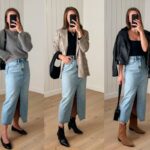
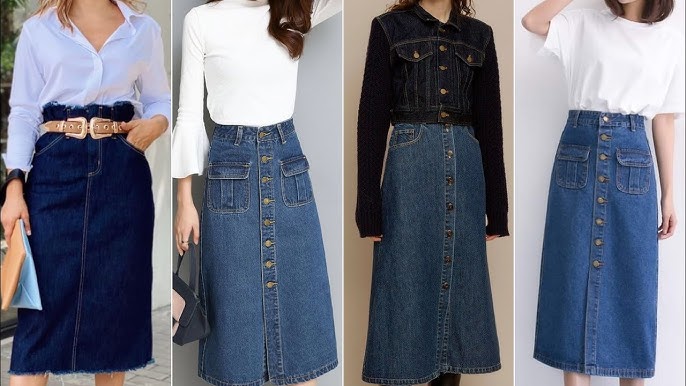
My office relaxed the dress code three years ago from business formal to business casual. Suddenly I could wear jeans on Fridays, which eventually became most days as long as everything looked “professional.”
The problem was figuring out what professional casual actually meant. Jeans felt too casual even on relaxed days. Full suits were overkill. I needed something between loungewear and boardroom attire.
Denim skirts solved this puzzle unexpectedly well. They’re casual enough to feel comfortable but structured enough to read as professional when styled correctly.
Here’s how to actually wear denim skirts to work without looking like you forgot where you were going.
Understanding Your Office Culture
Not all business casual environments treat denim equally. Some offices embrace it fully, others barely tolerate it. Read your specific culture before committing.
Observe what senior women wear. If they’re in denim occasionally, you’re safe. If everyone wears traditional pants and skirts, denim might push boundaries uncomfortably.
Conservative industries – finance, law, traditional corporate – generally resist denim more than creative fields. Tech, marketing, and startups usually welcome it.
Client-facing roles require extra caution. Internal meeting days might allow denim while client presentation days demand traditional business attire.
I work in consulting where expectations shift based on client and project. I keep traditional options available but wear denim skirts 2-3 days weekly when appropriate.
Test the waters with dark wash denim styled very professionally. Gauge reactions before incorporating lighter washes or more casual styling.
The Foundation Of Professional Denim Styling
Dark wash or black denim skirts are non-negotiable for work environments. Light and medium washes read too casual regardless of how you style them.
Choose clean, minimal styles without distressing, rips, or heavy fading. The denim should look structured and intentional, not worn-in and relaxed.
Midi length works best for professional settings. Mini skirts raise questions, even when technically within dress codes. Knee-length to mid-calf maintains appropriate coverage.
A-line or pencil cuts both work depending on your body type and comfort. Pencil skirts look slightly more formal but can be restrictive for all-day wear.
Fit matters enormously. Too tight looks inappropriate, too loose looks sloppy. The skirt should skim your body comfortably without clinging or gaping.
My go-to work skirt is dark indigo, hits just below the knee, and has zero distressing. It reads like structured workwear rather than weekend casual.
Tops That Elevate Denim Skirts
Fitted turtlenecks in neutral colors create polished, streamlined silhouettes. Black, gray, camel, and navy work universally well with dark denim.
Silk or satin blouses add sophisticated texture that elevates casual denim. Choose solid colors or subtle patterns rather than loud prints.
Structured button-down shirts maintain professional appearance while adding variety. White is classic, but try light blue, striped, or subtle checks for visual interest.
Lightweight sweaters in fine-gauge knits look professional without being stuffy. Cashmere or merino wool read more expensive than cotton or acrylic blends.
Avoid anything too casual – graphic tees, sweatshirts, or overly slouchy knits undermine your professional appearance regardless of how nice your skirt is.
Tuck your tops completely for the most polished look. Partial tucks or untucked shirts read too casual for most work environments.
The Blazer Makes Everything Professional
Blazers are the secret weapon that transforms jean skirts from questionable to unquestionably appropriate workwear.
Structured blazers in classic cuts signal professionalism immediately. Navy, black, gray, or camel blazers work with dark denim beautifully.
The formality of the blazer counterbalances denim’s inherent casualness. Together they create business casual equilibrium that works in most office environments.
I own three blazers specifically for wearing with denim skirts. One in navy, one black, one camel. Those three create countless work outfits when rotated with different tops.
Fit is critical with blazers. Shoulders should sit properly, sleeves should hit your wrist bone, and the torso should be fitted without pulling. Tailoring is worth the investment.
Remove the blazer at your desk if you get warm, but keep it nearby for meetings or unexpected interactions with senior leadership.
Footwear That Maintains Professional Appearance
Shoes make or break professional denim outfits. Wrong shoes destroy all the effort you put into styling everything else.
Closed-toe heels or booties are safest choices. Ankle boots with small heels work beautifully with midi skirts, creating polished silhouettes.
Classic pumps elevate denim skirts to their most formal potential. Keep heel heights reasonable – 2-3 inches maximum for comfort and practicality.
Loafers provide professional polish while staying comfortable for all-day wear. Choose leather versions rather than casual canvas or suede.
Avoid sneakers, sandals, or obviously casual footwear. Even expensive designer sneakers look wrong with professional denim styling.
I rotate between black ankle boots, nude pumps, and leather loafers depending on my schedule. All three work with my denim skirts and various tops.
Accessories For Professional Polish
Simple, quality accessories complete professional outfits without overwhelming them.
Structured leather bags in classic shapes signal professionalism. Totes for carrying work materials, smaller bags for lighter days – both should look polished and professional.
Minimal jewelry maintains sophisticated appearance. Stud or small hoop earrings, delicate necklaces, simple bracelets – nothing loud or distracting.
Watches add polish and professionalism. Choose classic styles rather than sporty or overly trendy designs.
Belts can define your waist and add finishing detail. Stick with leather in black or brown rather than decorative or casual fabric belts.
Tights in cooler weather extend your wearing season. Choose neutral colors and avoid loud patterns that draw attention.
Wrapping This Up
Denim skirts work in business casual environments when styled with intention and appropriate formality. Dark washes, structured cuts, and professional pairings are essential.
The key is balancing denim’s casual nature with formal elements – blazers, polished shoes, refined accessories. Each piece should lean toward professional to offset the skirt’s inherent casualness.
Start conservatively and adjust based on your specific office culture. Better to be slightly overdressed initially than to misjudge what’s acceptable.
Invest in quality pieces that maintain professional appearance through repeated wear. Cheap denim, ill-fitting blazers, or worn shoes undermine your credibility regardless of style choices.
Done correctly, denim skirts provide comfortable, versatile workwear that feels more like you than traditional business casual while maintaining appropriate professional appearance.