
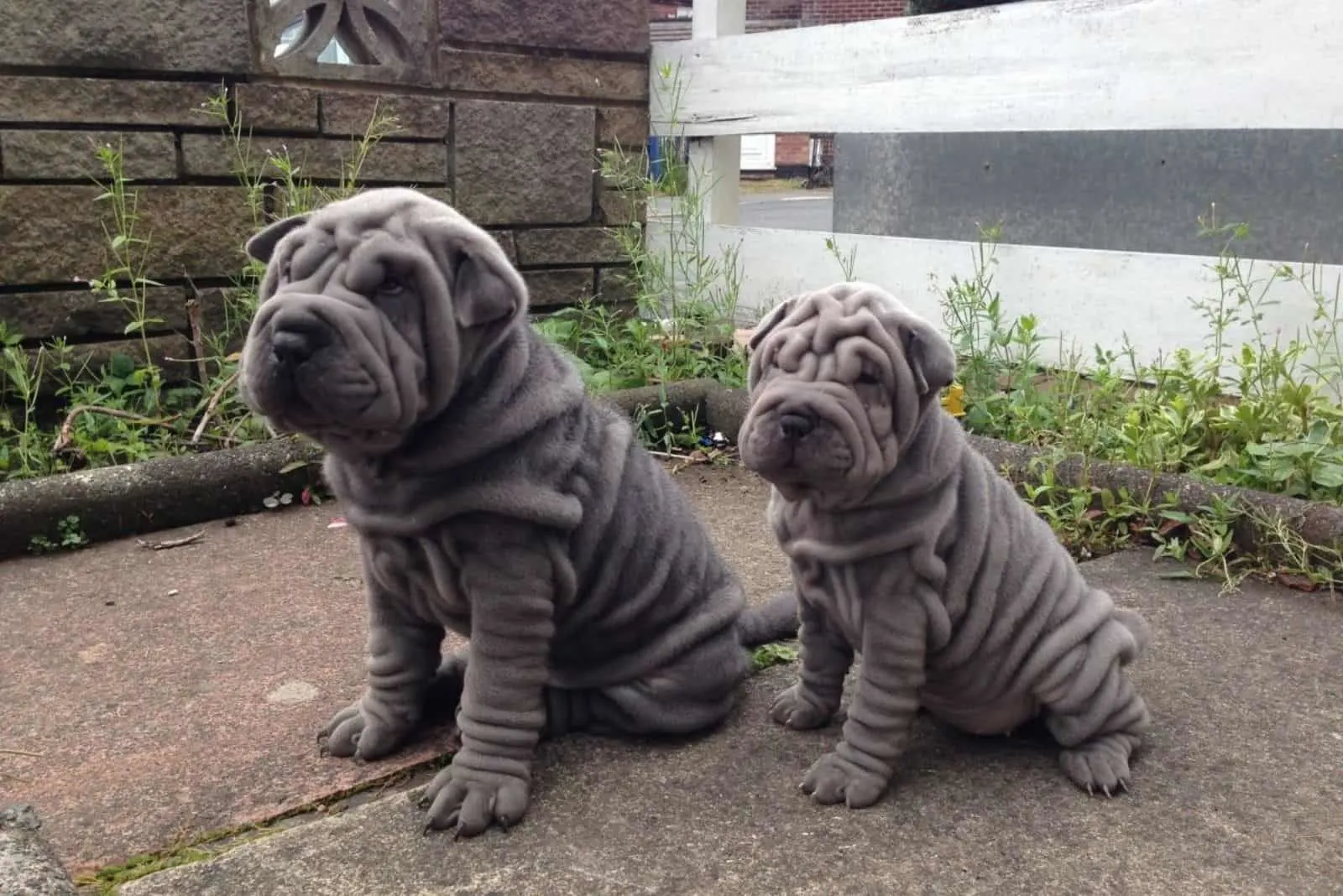
Recent viral moments with pygmy hippos at zoos have sparked fresh attention on compact, wrinkled companions, drawing eyes to the Mini Hippo dog breed overview in pet circles. Breeders report steady inquiries as families seek out this hybrid’s distinctive look amid a wave of designer dog interest. Public discussions highlight its blend of familiar traits, positioning the Mini Hippo dog breed overview as a timely snapshot of evolving canine preferences.
Owners note how the Mini Hippo dog breed overview captures a pooch that fits snugly into modern homes, with its broad snout and sturdy frame evoking unexpected charm. Coverage in pet media underscores this mix’s rise, fueled by social shares of playful pups. The Mini Hippo dog breed overview thus reflects broader curiosity about hybrids that promise affection without excess size.
Origins and Heritage
Parent Breed Foundations
The Mini Hippo emerges from crossing the Cocker Spaniel and Chinese Shar-Pei, two lines with deep histories. Cocker Spaniels trace to 19th-century England, bred for hunting birds in fields, their floppy ears and silky coats marking them as sporting dogs. Shar-Peis hail from ancient China, documented as early as 200 BC, initially guarding estates and herding livestock amid rural demands.
This pairing happened in the U.S. during the 1990s designer dog boom, aiming to merge playfulness with protection. Early litters showed variable results—some pups leaning Spaniel-sweet, others Shar-Pei-stoic. Breeders focused on stabilizing the hippo-like muzzle, a trait pulling crowds at shows.
Records indicate no formal club recognition yet, leaving the Mini Hippo in hybrid limbo. Still, its lineage draws from proven stock, with Cocker energy tempering Shar-Pei independence.
Rise of Designer Hybrids
Mini Hippo breeders capitalized on trends post-2000, when mixes like Labradoodles gained traction. Demand spiked as owners sought low-shed alternatives with personality. By mid-2010s, online forums buzzed with photos of these wrinkled wonders, accelerating interest.
United States origins dominate, though scattered efforts appear in Europe. Pups from reputable lines fetch higher prices, reflecting health-tested parents. Anecdotal breeder notes describe first generations as unpredictable, prompting multi-gen breeding for consistency.
Viral pet videos amplified visibility, with clips of Mini Hippos frolicking alongside Moo Deng-inspired memes. This cultural nod boosted adoption rates in urban areas.
Cultural Influences on Breeding
Shar-Pei’s Chinese roots influenced early Mini Hippo aesthetics, emphasizing folds for distinction. Cocker Spaniel importers adapted traits for American family life, prioritizing sociability. Breeders navigated cultural shifts, blending Eastern guarding heritage with Western companion ideals.
Export restrictions on Shar-Peis in the 1970s scarcity era indirectly shaped hybrids, pushing creative crosses. Today’s Mini Hippo dog breed overview owes much to that resilience, as breeders revived rare traits.
Global pet fairs now feature them, signaling broader acceptance beyond novelty.
Historical Challenges Faced
Early crosses battled inconsistent temperaments, with Shar-Pei aloofness clashing against Cocker eagerness. Breeders culled aggressive lines, favoring balanced pups. Health documentation lagged, mirroring hybrid teething pains.
By 2020s, improved genetics reduced extremes, though variability persists. Public records show fewer returns to breeders, hinting at maturing standards.
Modern Recognition Efforts
Kennel clubs withhold full status, citing hybrid status, but registries like ACHC list them. Enthusiast groups push for standards, debating ideal wrinkle depth. Recent shows award “best new hybrid,” fueling optimism.
Physical Traits and Variations
Size and Build Standards
Mini Hippo dog breed overview typically quotes 18-21 inches at shoulder, weights spanning 35-65 pounds. Stocky frames dominate, with broad chests supporting active days. Males edge larger, females more compact for apartments.
Variations arise from parental dominance—Shar-Pei pups bulkier, Cocker ones leaner. Breeders measure growth charts, aiming for square proportions mimicking the namesake.
Owners report adults settling around 45 pounds, agile despite girth.
Coat Types and Colors
Three coats define the Mini Hippo: horse (short, rough), brush (glossy inch-long), bear (wavy over inch). Colors range tan to black, chocolate mixes common. Shedding stays moderate, bear coats needing weekly brushes.
Shar-Pei heritage yields harsher textures, Cocker softens them. Seasonal blows hit brush types hardest.
Distinctive Facial Features
Wrinkled snouts steal focus, padding evoking hippos. Eyes sit deep, ears floppy or semi-erect. Tails curl or dock short, adding swagger.
Entropion risks prompt early checks, folds cleaned daily. Muzzles shorten breaths in heat.
Body Proportions Explained
Squarish bodies balance power and play. Legs sturdy, paws padded for traction. Necks thick, supporting alert heads.
Generational tweaks refine ratios, minimizing dysplasia odds.
Variations Across Litters
Littermates differ wildly— one wrinkly guard, sibling silky lapdog. Breeders predict via parents, but surprises abound. Multi-gen crosses homogenize looks.
Temperament Profile
Core Personality Blend
Mini Hippo dog breed overview paints loyal, calm dogs blending Shar-Pei independence with Cocker joy. Protective yet playful, they shadow families without clinginess. Intelligence shines in quick learns, stubborn streaks demand patience.
Daily interactions reveal affection post-walks, guards barking intruders.
Family Compatibility Factors
Gentle with kids when socialized, they tolerate roughhousing better than appearances suggest. Energy matches school schedules—mornings fetch, evenings couch. Strangers meet reserve, easing with introductions.
Multi-pet homes succeed via early exposure, dominance low.
Energy Levels Observed
Moderate vigor needs 45-minute walks, play bursts. Laziness creeps sans routine, weight balloons. Mental games curb boredom chews.
Social Dynamics with Strangers
Aloof initially, warmth follows consistency. Training curbs overprotectiveness, parks build confidence. Bark average, alerts without excess.
Behavioral Quirks Noted
Stubborn moments echo Shar-Pei, resolved via positives. Separation whines fade with crates. Playful nips demand redirects.
Health and Care Essentials
Common Inherited Conditions
Mini Hippo dog breed overview flags entropion, cherry eye from folds. Ear infections thrive in floppy canals, skin pyoderma moistens wrinkles. Hip dysplasia lurks in stocky builds.
Shar-Pei fever rare but monitored. Lifespan hits 10-15 years with vigilance.
Grooming Routines Required
Weekly wrinkle wipes prevent sores, baths sparse. Nail trims bi-monthly, ear cleans vital. Coats brush thrice weekly, mats snag bears.
Dry shampoos suit sensitivities.
Nutrition Guidelines
High-protein kibble, 2-3 cups split meals curb obesity. Grain-free aids allergies, portions scale activity. Supplements joint health post-five.
Exercise Regimens
Daily hour mixes walks, fetches. Avoid peak heat, swims dry thoroughly. Puzzle toys engage minds.
Veterinary Monitoring Tips
Annual checks catch eyes early, surgeries common. Vaccinations standard, dentals prevent buildup. Spay/neuter reduces cancers.
Training and Lifestyle Fit
Basic Obedience Strategies
Positive treats trump scolds, sessions 10-minutes. Sit-stay basics cement fast, recall hones leashes. Crate training eases alone time.
Consistency overrides stubborn spells.
Socialization Windows
Puppy classes by 12 weeks expose variances. Parks introduce peers, strangers treats. Home drills calm guests.
Advanced Skill Potentials
Agility suits stockiness, obedience trials beckon smarts. Herding echoes roots, noses scents.
Living Environment Suits
Apartments work with yards ideal. Fenced spaces contain escapes, climates mild best.
Daily Routine Samples
6AM walk, breakfast, play. Midday naps, evening fetch, bedtime cuddles. Weekends hikes vary.
The Mini Hippo dog breed overview leaves several threads dangling in public view—what exact standards will emerge as breeders standardize? Health patterns sharpen with larger pools, yet fold-related woes persist without rigorous testing. Families weigh charm against maintenance, popularity climbing sans universal acclaim. Forward paths hinge on ethical breeding, potential recognition clarifying futures. Unresolved remains the hybrid’s place amid purebred debates, curiosity sustaining interest into coming years. Owners ponder longevity tweaks, vets advocate insurance amid variables. This snapshot captures a breed in flux, promising companionship if caretakers commit fully—outcomes unwritten as trends evolve.